If you are considering a condo or cluster home in Broadview Heights, you are probably looking for a simpler lifestyle without giving up comfort or ownership. These homes can be a smart fit if you want less exterior upkeep, a more predictable routine, and access to shared spaces or services. The key is knowing that not every low-maintenance property works the same way, and the details matter more than many buyers expect. Let’s dive in.
Why Broadview Heights Offers Variety
Broadview Heights includes several low-maintenance housing types in its local zoning and planning framework. The city recognizes condominiums, townhouses, cluster development, and townhouse units as part of its residential mix.
That matters because you are not just shopping for one style of home. In Broadview Heights, you may find attached townhome-style properties, detached cluster homes, and condominium communities with different ownership structures and rules.
Condo vs. Cluster Home Basics
A condominium is a legal form of ownership. Under Ohio law, you own your individual unit and also hold an undivided interest in the common elements.
A cluster home usually describes the layout and development style more than the legal ownership form. Some cluster homes may be part of a condominium structure, while others may be part of a planned community governed by separate declarations and bylaws.
This is one of the biggest points to understand before you buy. Two homes may look similar from the street, but the way the land, exterior, and shared areas are owned can be very different.
What a townhouse usually means
Broadview Heights defines a townhouse as a two-story residence in a row with shared sidewalls. These homes typically place living areas on the first floor and bedrooms on the second.
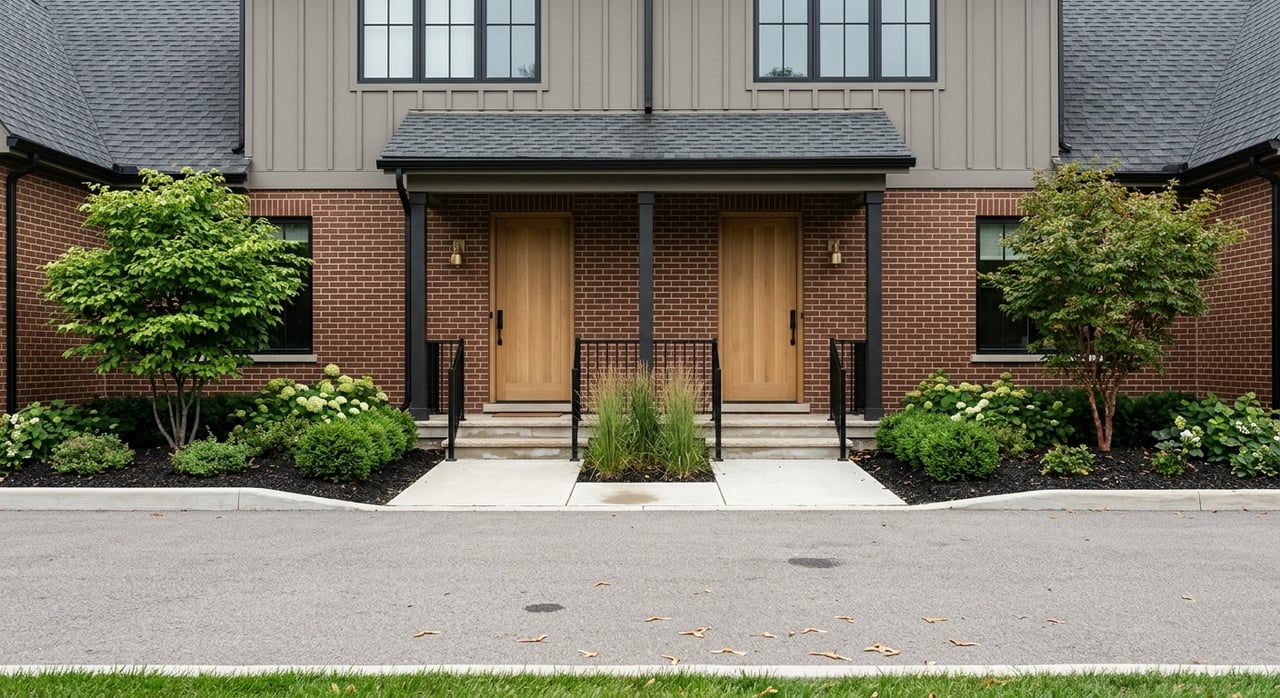
In some parts of the city, especially areas shaped by Town Center design standards, you may also see cluster-style homes with front porches, rear garages, and alley access. That creates a different feel from a traditional apartment-style condo development.
Why legal structure matters
The floor plan is only part of the story. The legal structure helps determine what you own outright, what is shared, and how much control the association has over maintenance, appearance, and use.
Before you focus only on finishes or square footage, make sure you understand whether the property is a condominium or part of a planned community. That distinction affects your costs, responsibilities, and long-term flexibility.
What You May Share
In a condominium, common elements can include land, roofs, halls, corridors, lobbies, stairs, parking areas, garages, storage spaces, and central systems when they are not part of the unit. That is a broad list, which is why many buyers appreciate the lower day-to-day maintenance.
In a planned community, the association may own or control common property for the benefit of owners through fee ownership, lease, or easement. The practical result can feel similar, but the governing documents tell you exactly how responsibilities are divided.
What the association may handle
Depending on the community documents, the association may maintain:
- Exterior upkeep
- Landscaping
- Snow removal
- Shared drive areas
- Amenity spaces
- Certain building systems or common structures
What you may still handle
You may still be responsible for items inside the home, certain limited exterior areas, utility costs, or repairs that the declaration places on the owner. This is why you should never assume that all exterior work is covered just because a home is marketed as low maintenance.
Fees Matter More Than the Sticker Price
Monthly dues are one of the biggest differences between a condo or cluster home and a traditional single-family property. Those dues often cover shared expenses, but they are also a long-term financial obligation that deserves close review.
A lower monthly fee is not always better. In Ohio, associations are required to adopt annual budgets that include reserves adequate for major repair and replacement costs unless the owners waive reserves in writing each year.
Why reserves deserve a close look
Reserves are funds set aside for major future repairs. If an association keeps fees low by underfunding reserves or repeatedly waiving them, owners may face higher risk of special assessments later.
That does not mean a community is poorly run. It does mean you should look beyond the monthly number and ask how the association plans for roofs, paving, structural work, and other major expenses.
Include dues in your real budget
Condo and HOA dues are usually paid directly to the association, not through your mortgage servicer. When you are deciding what feels comfortable month to month, those dues should be treated as part of your full housing payment.
Insurance and Risk Questions to Ask
In Ohio, condominium associations are required to carry insurance on condominium buildings and structures at not less than 90 percent of replacement cost for the benefit of unit owners. Planned-community associations are also required to carry certain common-property and liability coverages, along with related protections when reasonably available.
For you as a buyer, this makes the association’s master insurance policy an important part of due diligence. You want to know what the association insures and where your own coverage would need to begin.
Rules Can Shape Daily Life
Association living often brings convenience, but it also comes with rules. Ohio law gives condo and planned-community boards broad operating powers, including authority related to maintenance, appearance, assessments, and certain fees.
That means the lifestyle fit matters just as much as the financial fit. A community may have rules on parking, pets, exterior changes, rentals, and use of common areas.
Review these documents before you buy
Ask for and review:
- Declaration
- Bylaws
- Rules and regulations
- Current budget
- Reserve information
- Recent meeting minutes
- Insurance summary
- Any pending or recent special assessments
Ohio law requires condo associations to keep books, records, and meeting minutes, and unit owners have rights to examine and copy records under reasonable standards. Planned communities also operate under recorded governing documents, budgets, and common-expense accounting requirements.
Broadview Heights Rental Rules to Know
If you think you may want to rent the property in the future, even occasionally, this is a key Broadview Heights issue. The city requires owners of non-owner-occupied or rental townhomes, condominiums, and apartment-condominium units to register each unit and renew that registration annually.
The current registration fee is $50 per rental unit, and the fee can double if registration is late. If future rental flexibility matters to you, ask both the association and the city-related questions early in the process.
Best Questions for Buyers in Broadview Heights
When you tour condos and cluster homes in Broadview Heights, keep your questions focused on ownership, cost, and control. These are often the points that create the biggest surprises after closing.
Here are smart questions to ask:
- What does the association cover, and what does the owner cover?
- Are reserves currently being funded, or have owners waived the reserve requirement?
- Has the community had any recent or pending special assessments?
- Is there a history of major repairs or insurance claims?
- What are the rules for rentals, pets, parking, and exterior changes?
- If I rent the property later, are there city registration requirements?
- Are there fees for resale certificates, copies of records, or statements of unpaid assessments?
Who These Homes Often Fit Best
Condos and cluster homes in Broadview Heights often appeal to buyers who want less exterior maintenance and a more streamlined ownership experience. That can be especially attractive if you travel often, have a busy schedule, or simply prefer not to manage as much outdoor upkeep.
The tradeoff is that you may have less control over the exterior, shared spaces, and certain property uses. You are also taking on monthly association costs and community rules that need to be evaluated just as carefully as the home itself.
How to Compare Two Similar Listings
Two properties with similar prices can feel very different once you factor in dues, reserves, maintenance coverage, and rules. That is why a side-by-side comparison is so helpful.
| Factor | Questions to Ask |
|---|---|
| Ownership type | Is it a condominium or planned community? |
| Monthly dues | What do they cover, and how often have they changed? |
| Reserves | Are they funded or waived? |
| Repairs | Any recent or upcoming large projects? |
| Insurance | What does the master policy cover? |
| Rules | Any limits on rentals, pets, parking, or exterior updates? |
| Rental plans | Would city registration apply later? |
A Smarter Way to Buy in Broadview Heights
The best condo or cluster-home purchase is not just the one with the nicest kitchen or the lowest monthly fee. It is the one that matches your lifestyle, budget, and comfort level with shared ownership and community rules.
In Broadview Heights, the variety of townhouse condos, attached clusters, and detached cluster-style homes gives you real options. The smart move is to look at floor plan, ownership structure, and association health together before you commit.
If you want help comparing communities, reviewing the practical differences between condo and cluster-home ownership, or building a confident plan for your move, Anthony Colantuono is here to help with a concierge-level approach tailored to your goals.
FAQs
What is the difference between a Broadview Heights condo and a cluster home?
- A condo is a legal ownership structure, while a cluster home usually describes the layout or development style. In Broadview Heights, a cluster home may be part of a condo association or a planned community.
What do condo or HOA fees usually cover in Broadview Heights?
- Coverage depends on the declaration and bylaws, but fees may help pay for items like exterior maintenance, landscaping, snow removal, shared drives, amenity areas, and certain common systems.
Why should Broadview Heights buyers ask about reserves?
- Ohio associations are generally required to budget for reserves unless owners waive that requirement in writing each year. Healthy reserves can reduce the risk of future special assessments.
Can you rent out a condo or townhome in Broadview Heights later?
- Possibly, but you need to check both the association rules and the city requirement that non-owner-occupied or rental townhomes, condominiums, and apartment-condominium units be registered and renewed annually.
What documents should a buyer review before buying a condo or cluster home in Broadview Heights?
- Ask for the declaration, bylaws, rules, current budget, reserve information, meeting minutes, insurance summary, and any information on pending or recent special assessments.